
Effects of Lead-Contaminated Tropical Garden Soil on Bioconcentration and Physiology of the Springtail Cyphoderusjavanus (Börner, 1906).
Priyanka Sarangi1
 , Partha Pratim Chakravorty1
*
and Bhabatosh Das2
, Partha Pratim Chakravorty1
*
and Bhabatosh Das2
1
Department of Zoology,
Raja Narendralal Khan Women’s College (Autonomous),
Affiliated to Vidyasagar University,
West Bengal
India
2
Translational Health Science and Technology Institute,
NCR Biotech Cluster, 3rd Milestone,
Faridabad-Gurugram,
Haryana
India
http://dx.doi.org/10.12944/CWE.21.1.14
Copy the following to cite this article:
Sarangi P, Chakravorty P. P, Das B. Effects of Lead-Contaminated Tropical Garden Soil on Bioconcentration and Physiology of the Springtail Cyphoderusjavanus (Börner, 1906). Curr World Environ 2026;21(1). DOI:http://dx.doi.org/10.12944/CWE.21.1.14
Copy the following to cite this URL:
Sarangi P, Chakravorty P. P, Das B. Effects of Lead-Contaminated Tropical Garden Soil on Bioconcentration and Physiology of the Springtail Cyphoderusjavanus (Börner, 1906). Curr World Environ 2026;21(1).
Download article (pdf)
Citation Manager
Publish History

Introduction
Heavy metal pollution represents a serious threat to soil ecosystems, affecting soil quality, biodiversity, and the functioning of soil-dwelling organisms. Metals enter the biosphere via natural processes such as volcanic activity and weathering, as well as through anthropogenic activities like mining,fuel combustion, and various industrial operations.1,2 Lead (Pb)-contaminated soils have become a significant concern, drawing growing attention from national and international regulatory bodies.3,4Pb, primarily introduced into the soil through industrial activities and mining, is a persistent contaminant known for its toxic effects on soil ecosystems. Its accumulation disrupts soil biodiversity and affects the functioning of soil organisms essential for nutrient cycling and ecosystem health.5,6Additionally, it may impair the growth and reproductive function of soil fauna, including earthworms, mites, as well as springtails leading to reduced egg laying, poor hatching success,decreased survival and, weight reduction.4
Soil provides essential habitat for diverse organisms, many of which are directly or indirectly involved in key processes like decomposition and soil nutrient process. Within the soil-associated arthropods, collembola constitutes a highly abundant group with diverse feeding habits and wide spatial distribution.7-9The remarkable diversity of collembola is driven by their varied life forms and specialized ecological traits. Relative to natural habitats, the agricultural environments show a significant reduction of richness and population abundance of collembola.10 This decline has been attributed to elevated pollutant levels and limited resource availability.7 The reduction of collembolan populations in agricultural systems can adversely impact nutrient cycling, ultimately leading to decreased agricultural productivity.11,8
Heavy metal pollution is known to negatively impact the growth of Collembola, making them a useful indicator for measuring ecological toxicity. For example, studies have linked arsenic-contaminated soils to reduced body size in Collembola, identifying growth retardation as an initial indicator of environmental pollution.12,13Similarly, cadmium exposure has been found to inhibit growth even at low concentrations, with growth emerging as a more sensitive indicator than reproduction in some cases.13Metals such as cadmium and lead have consistently demonstrated a significant suppressive effect on Collembola growth.13,14 Research in ecotoxicology frequently targets two key species, Folsomia candida (parthenogenetic) and Folsomiafimetaria (sexual), due to their well-characterized biology and suitability for laboratory experiments.13However, while the impacts of heavy metals on Collembola have been extensively studied, most of this work has been limited to European soils,10, 15-18leaving a critical gap in understanding how these organisms respond to contamination in tropical soil environments.In this context, Cyphoderus javanus, a soil-dwelling collembola commonly found in tropical environments, was selected as a model organism due to its ecological relevance and potential sensitivity to soil contaminants, making it suitable for assessing region-specific ecotoxicological risks.19
This researchsought to investigate the influence of Pb-contaminated soil on organismal physiology of C. javanus and to assess its capacity for Pb accumulation through bioconcentration factor (BCF) analysis. Given the persistence of Pb in soils and its potential risks to soil-dwelling organisms, this research provides insights into the ecological impacts of heavy metal contamination. The results are anticipated to contribute to the development of soil quality guidelines and regulatory frameworks for tropical regions.
Materials and Methods
Experimental organism
C.javanus was collected from organic-rich soil (sampling site free from agricultural disturbances) and cultured in 4 cm × 5.5 cm polythene vials containing 7 g of moist garden soil.19The organisms were kept at 28°C ± 0.5°C in an environmental chamber, with baker’s yeast (2 mg per vial) used as food and water added to maintain the moisture at every 2–3 days to keep the substrate near its water-holding capacity.20Juveniles were reared separately after being transferred from the adult vials. Toxicity tests were conducted using 12-to 15-day-old juveniles.
Exposure medium
Soil obtained from a natural garden area which is free from any agricultural activities was used as the testing medium for the bioassay experiments. The collected soil was air-dried, homogenized, and sieved to remove debris prior to use. Key physicochemical properties18 (Table 1) of the test medium - soil texture,21 pH, organic carbon22 and, water holding capacity23,24were determined. Prior to the bioassay, the soil was defaunated through heat treatment at 70 °C for 2 h, and then stored in the dark at 5 °C.25
Table 1: Physicochemical characteristics of the tested soil18
Properties of soil | Observed value |
Soil Texture (g %) Clay Silt Sand | 17.25 11.75 71.00 |
Soil pH | 6.80 |
Organic Carbon Contentof the Soil | 1.45% |
Soil water retention capacity | 34.40% |
Experimental chemical
The inadequate disposal of fly ash, a byproduct of coal combustion, presents a major environmental concern, especially in developing countries.26 Fly ash, commonly utilized in agriculture for its alkaline properties and mineral content that enhance soil health, poses an environmental risk due to its increasing levels of hazardous heavy metals such as arsenic, lead, cadmium, chromium, and mercury.27 Notably, the heavy metal burden in fly ash is 2-10 times that of the source coal.28In this study, soil contaminated with fly ash was obtained from the Kolaghat Thermal Power Plant in West Bengal, India (22°25'28.3''N, 87°51'39.4''E), following a randomized block layout to ensure a structured sampling method. The heavy metal content was quantified using Atomic Absorption Spectroscopy (AAS), and lead, the predominant metal, was chosen for further investigation. Lead acetate trihydrate [(CH3COO)2Pb·3H2O], sourced from Merck Life Science, was employed in the experimental procedures.
Acute toxicity test
The study investigated the short-term toxic effects of lead acetate on C. javanus. Groups of ten 12- to 15-day-old C. javanus juveniles to various concentrations of lead acetate, mimicking lead levels found in fly ash-polluted soil. Each concentration had three replicates. The lead solutions were mixed uniformly into the soil before adding the organisms. After 24 hours, the number of dead C. javanus was recorded to determine the lead concentration causing 50% mortality (LC50). The experimental procedures were based on standard protocols but included some modifications.29
Chronic toxicity test on the physiology of C. javanus
Following standard procedures,30 this study examined how lead acetate affects the shedding of exoskeletons (exuvia production), the egg laying capacity (fecundity), and the lifespan of C. javanus. Based on the previous acute toxicity test, sublethal lead acetate concentrations in the soil: 5933.5, 2966.75, 1977.83, and 1483.37 mg/kg has been chosen. 45 small plastic vials (4 cm wide, 5 cm tall), each with 7 grams of soil mixed with one of the lead acetate concentrations has been prepared. Each concentration was tested in three identical vials, and ten 12- to 15-day-old juvenile C. javanus were placed in each vial. The number of exuviae and eggs laid per individual were recorded every 24 hours over a 28-day period.
Analysis of BCF in C.javanus
Lead (Pb) concentrations in C. javanus were measured to evaluate its bioconcentration potential in contaminated soil. To ensure sufficient biological material for metal analysis, C. javanus specimens were pooled into composite samples. The dry weight of each sample was analyzed using a micro-analytical balance (Mettler Toledo).
Acid digestion was performed using concentrated nitric acid (HNO3) to mineralize the samples. Approximately each sample was treated with 1–2 mL of concentrated HNO3 and digested at 80–100 °C until complete digestion was achieved. Following digestion, the samples were allowed to cooland subsequently diluted with distilled water to the desired volume prior to analysis.31 The resulting solution was analyzed using Atomic Absorption Spectroscopy (AAS) as per IS: 3025 (Part 47):1994, employing an air-acetylene flame and a hollow-cathode lamp at 283.3 nm.32Standard lead solutions were prepared from certified reference material (CRM), and a calibration curve was used for quantification. Analytical accuracy was ensured using reagent blanks and quality controls. Lead concentrations were used to calculate the BCF, reflecting the ability of the species to accumulate lead from the environment. The BCF was determined by the ratio of Pb concentration in the collembola by the total Pb concentration in the soil.33,34
Data processing and statistical analysis
The data were computed and visualized using SPSS software (SPSS v.29.0)and Microsoft Excel. To estimate the LC50 value—the concentration of lead causing 50% mortality in springtails—probit analysis has been conducted using SPSS. Results are presented as mean values with corresponding standard deviations (SD) to indicate variability. To assess statistically significant differences in the responses of springtails across varying lead exposure levels, one-way ANOVA was conducted. Upon identification of significant difference, Tukey's post hoc test was used to indicate which treatment groups differed significantly. A significance threshold of p< 0.05 was adopted throughout the statistical evaluation.
Results
Short-term toxic effects of lead acetate on C. javanus
Following the 24-hour of exposure the LC50 value of lead acetate for C. javanus is 11,867.13 mg/kg (Table 2).
Table 2: 24-hour median lethal concentration (LC50) values of lead acetate for C. javanus17
Metallic Pollutant | 24 hours median lethal concentration | 95% confidence Interval (CI) |
Lead Acetate | 11,867.126 | 7806.334-14773.270 |
Chronic effects of lead acetate on C. javanus
During the lead exposure period, clear long-term toxic effects were evident. The control group exhibited an average molting frequency of (26 ± 3.606). In contrast, molting declined significantly (p< 0.05) in the T3 group (17.67 ± 1.528) and the T4 group (11.33 ± 3.215), corresponding to 1/4 and 1/2 of the LC50 concentrations, respectivelyas reflected by distinct letter groupings (Fig. 1a). On the other hand, the T1 (1/8 LC50) and T2 (1/6 LC50) groups showed non-significant difference in molting compared with the control, sharing similar letter groupings.
Reproductive capacity (fecundity) also significantly decreased (p < 0.05) as lead concentrations increased. The control group had a mean fecundity of 70.67 ± 3.786, whereas significant reductions were found in the T2 (51.33 ± 6.506), T3 (24.33 ± 4.163), and T4 (12.33 ± 3.512) groups (Fig 1b).
Lead exposure also impacted the lifespan of C. javanus. The average lifespan of the control group was 73.33 ± 3.21 days, with significant reductions (p< 0.05) observed in the T2, T3, and T4 treatments. However, the T1 group did not show a significant change in lifespan (Fig1c).
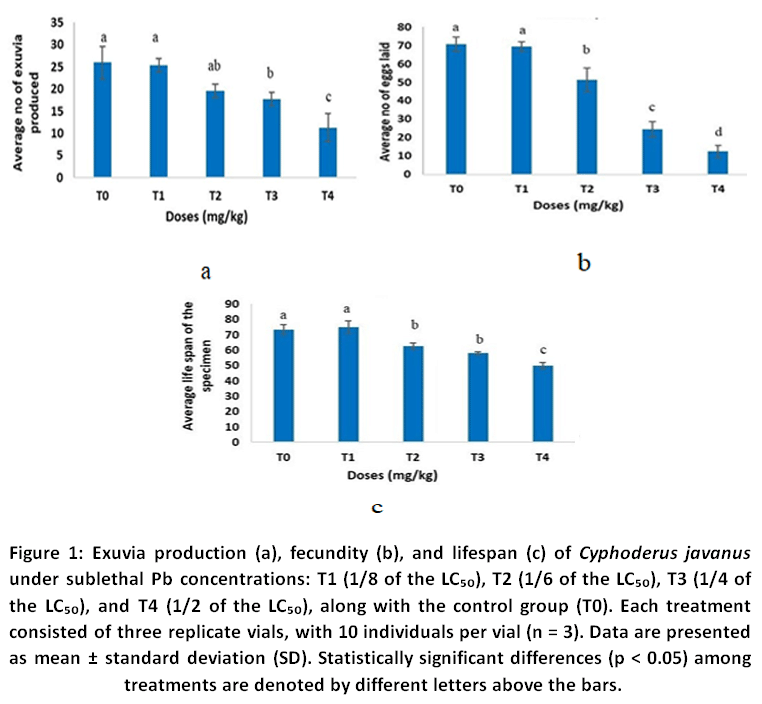 | Figure 1: Exuvia production (a), fecundity (b), and lifespan (c) of Cyphoderus javanus under sublethal Pb concentrations: T1 (1/8 of the LC50), T2 (1/6 of the LC50), T3 (1/4 of the LC50), and T4 (1/2 of the LC50), along with the control group (T0). Each treatment consisted of three replicate vials, with 10 individuals per vial (n = 3).
|
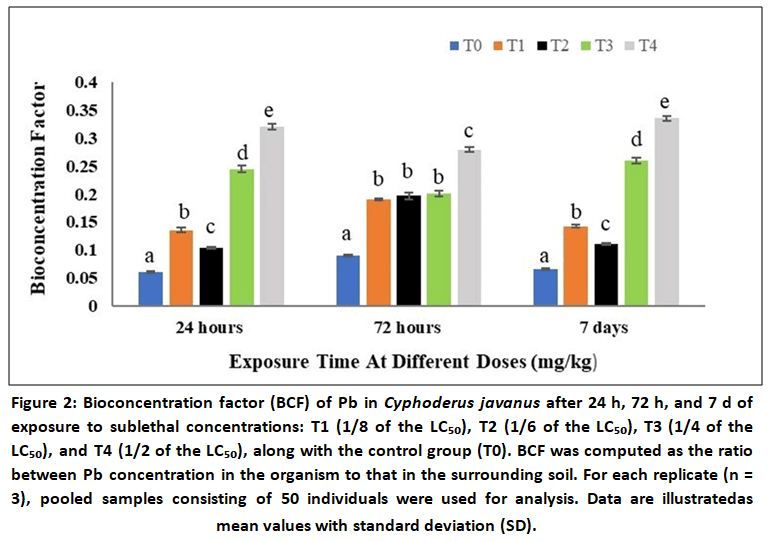 | Figure 2: Bioconcentration factor (BCF) of Pb in Cyphoderus javanus after 24 h, 72 h, and 7 d of exposure to sublethal concentrations: T1 (1/8 of the LC50), T2 (1/6 of the LC50), T3 (1/4 of the LC50), and T4 (1/2 of the LC50), along with the control group (T0). BCF was computed as the ratio between Pb concentration in the organism to that in the surrounding soil.
|
The bioconcentration factor (BCF) of C.javanus exhibited a general increase with rising lead concentrations and longer exposure durations. At 24 hours (Fig. 2), BCF values varied between 0.060 ± 0.002 in the control group to 0.320 ± 0.005 at T4. One-way ANOVA indicated significant difference among treatments (F4,10 = 2040.01, p < 0.001). A significant increase (p < 0.05) in BCF was noted across all treatments compared to the control, with each dose level differing significantly from the others. However, BCF at T2 (0.104 ± 0.002) was significantly lower than at T1 (0.136 ± 0.004), indicating a non-linear accumulation pattern at lower doses despite overall dose-dependent trends. At 72 hours, the control BCF was 0.090 ± 0.002, while the highest value was recorded at T4 (0.279 ± 0.004). ANOVA indicated significant differences among treatments (F4,10 = 787.46, p < 0.001).While T3 (0.201 ± 0.005) and T2 (0.197 ± 0.006) had similar mean values, statistical tests showed that they were not significantly differed from each other (p > 0.05). In contrast, both were significantly higher than T1 (0.190 ± 0.003) and the control (p < 0.05), reinforcing a partial dose-dependent response with a plateau between T2 and T3. By day 7, BCF values peaked at 0.336 ± 0.004 in the T4 group, compared to 0.065 ± 0.002 in the control. ANOVA again showed significant variation among treatments (F4,10 = 3377.84, p < 0.001). The values for T1 (0.142 ± 0.003) and T2 (0.110 ± 0.002) revealed a significant difference (p < 0.05), confirming that the earlier deviation in accumulation trends was also evident at this later stage. From T3 (0.260 ± 0.005) onward, a clear dose- and time-dependent increase in BCF was observed, with all treatments significantly different from one another and from the control.
These findings demonstrate that C. javanus accumulates Pb in a generally dose- and time-responsive manner; however, accumulation was not strictly linear at lower concentrations, possibly reflecting physiological thresholds or regulatory responses limiting uptake at mild exposure levels.
Discussion
Biological Consequences of Lead Contamination on C. javanus
This study found that exposure to Pb severely damages important biological activities in C. javanus. A dose-dependent reduction in exuvia production, fecundity, and overall lifespan has been documented especially at high Pb concentrations. Shedding of the exoskeleton requires substantial energy and is frequently associated with increased mortality in cultured organisms.35 These findings are consistent with recent research on the collembola F. candida, which likewise showed significant decreases in reproductive output and adult survival after Pb exposure.13 Similarly, investigations conducted in urban soils with high levels of Pb and cadmium (Cd) found significant detrimental effects on the reproduction, survival, and development of both F. candida and Ceratophysella caeca.4,6,16
While some investigations report that the survival of F. candida is not substantially affected by Pb,34 its reproductive performance is consistently shown to be a more sensitive endpoint. For example, F. candida reproduction was significantly reduced in spiked soils with anoverall Pb content of 3,877 mg/kg.36 Similarly, significant reproductive impairments were reported at the highest Pb concentrations (range from 0 to 600, 1200, 2400, and 4,800 mg/kg) across three soil types.31 The current work reveals that C. javanus is similarly sensitive to Pb toxicity, supporting the theory that important reproductive and developmental parameters are common vulnerability areas for collembola under heavy metal stress. However, there is interspecific variation in metal tolerance; for example, the tropical species Xenyllawelchi has exhibited even greater susceptibility, particularly following long-term lead exposure.18 Such variances highlight the need of including multiple species in ecotoxicological assessments to gain a more complete picture of the ecological dangers posed by soil contamination.
Bioaccumulation of Lead in C. javanus
The computed BCF for Pb in C. javanus reveals a distinct pattern of metal buildup that is depending on both the contaminant concentration and the length of exposure. At each evaluated time point (24 hours, 72 hours, and 7 days), BCF levels tended to rise as lead concentrations in the garden soil increased. This reveals that C. javanus actively absorbs lead from its surroundings, with internal concentrations positively correlated with both exterior lead levels and exposure duration.37These findings are comparable with prior findings for Pb-contaminated soils32,34,38and with accumulation patterns found forother hazardous elements such as Cd39-43and copper (Cu).4
The observed bioaccumulation of lead is directly related to the physiological stress that C. javanusexhibits, which includes shortened lifespan, decreased ability to reproduce, and poor molting. The relationship between higher BCF values and more severe physiological impairments implies that the harmful effects of Pb on essential biological systems are mostly caused by internal accumulation.36,44 To handle this accumulated lead, C. javanus will probably need to expend a significant amount of energy. Detoxification, cellular repair, and homeostasis may get resources that would otherwise be used for growth, reproduction, and survival. This need for energy to power defensive mechanisms probably gets stronger as BCF values increase with increased lead concentrations and longer exposure times.45
The study emphasizes that when evaluating the ecological risk posed by heavy metal contamination for soil invertebrates, it is essential to incorporate both physiological endpoints and bioaccumulation data. Measurable buildup of Pb in C. javanus and the ensuing negative physiological impacts show that bioaccumulation can be a powerful indicator of possible ecological damage. Therefore, a comprehensive risk assessment must take into account both the extent of pollutant intake and its eventual effects on the fitness and health of the organisms.46
Conclusion
This study demonstrates that C. javanus accumulates Pb in a concentration- and time-dependent manner, as reflected by increasing BCF values. The associated physiological impairments indicate that internal metal accumulation exerts significant toxic effects. These findings suggest that Pb contamination in garden soils can adversely affect soil microarthropods, potentially disrupting soil health and ecosystem stability. Compared to commonly studied species such as F. candida, C. javanus exhibited comparable sensitivity under the tested conditions, supporting its suitability as a bioindicator in tropical soils. Integrating bioaccumulation data with physiological responses provides a more comprehensive structured approach for assessing ecological risk. These results may aid in the development of region-based soil quality guidelines and management strategies for mitigating heavy metal contamination in tropical environments.
Acknowledgement
The authors gratefully acknowledge the facilities provided by the Principal and the Director of the Natural and Applied Sciences Research Centre, Raja Narendra Lal Khan Women’s College (Autonomous), Paschim Medinipur, West Bengal, India. PS acknowledges the financial support received in the form of Junior Research Fellowship (JRF) and Senior Research Fellowship (SRF) from the University Grants Commission (UGC) for conducting this research work, and PPC acknowledges the Department of Science and Technology–CURIE (DST-CURIE) for infrastructure support.
Funding Sources
UGC-India, JRF & SRF. Reference no-221610157814.
Conflict of Interest
The authors do not have any conflict of interest.
Data Availability Statement
This statement does not apply to this article.
Ethics Statement
This research did not involve human participants, animal subjects, or any material that requires ethical approval.
Informed Consent Statement
This study did notinvolve human participants, and therefore, informedconsent was not required.
Permission to Reproduce Material from otherSources
Not Applicable
Author Contributions
Priyanka Sarangi:Writing original draft, Statistical analysis.
Partha Pratim Chakravorty: Supervision, review and editing.
Bhabatosh Das: Supervision.
References
- Garrett RG. Natural Sources of Metals to the Environment. Hum. Ecol. Risk Assess. 2000; 6(6), 945–963.https://doi.org/10.1080/10807030091124383.
CrossRef - Dobritzsch D, Grancharov K, Hermsen C, Krauss G-J, Schaumlöffel D. Inhibitory effect of metals on animal and plant glutathione transferases. J Trace Elem Med Biol. [online]. 2020; 57, 48–56.https://doi.org/10.1016/j.jtemb.2019.09.007.
CrossRef - Migliorini M, Pigino G, Bianchi N, Bernini, F., Leonzio, C. The effects of heavy metal contamination on the soil arthropod community of a shooting range. Environ Pollut. 2004; 129: 331–340.
CrossRef - Ding Y, Li Z, Ke X, Wu L, Zuo S. Toxicity of lead pollution to the collembolan Folsomia candida in Ferri-Udic Cambosols. Pedosphere.2021; 31, 627–637.
CrossRef - Callahan ST, Bidwell A, Lin C, DeLuca TH, Tobin PC. Effects of copper exposure and increased temperatures on Collembola in western Washington, USA. City Environ. Interact, [online]. 2019; 4, 100026. https://doi.org/10.1016/j.cacint.2020.100026.
CrossRef - Dai W, Holmstrup M, Stine Slotsbo Z, Ke X, Li Z, Gao M, Wu L. Compartmentation and effects of lead (Pb) in the collembolan, Folsomia candida. Environ Sci PollutRes. 2020; 27(35), 43638–43645. https://doi.org/10.1007/s11356-020-10300-6.
CrossRef - Sterzynska M, Nicia P, Zandrozny P, Fiera C, Shrobovych J. Urban springtail species richness decreases with increasing air pollution. Ecol Indic. 2018; 94:328–335. https://doi.org/10.1016/j.ecolind.2018.06.063.
CrossRef - Bardgett RD, van der Putten WH. Belowground biodiversity and ecosystem functioning. Nat. 2014;515(7528):505–511. https://doi.org/10.1038/nature13855
CrossRef - Sun X, Marian F, Bluhm C, Maraun M, Scheu S. Response of Collembola to the addition of nutrients along an altitudinal gradient of tropical montane rainforests. Appl Soil Ecol. 2020; 147:103382.https://doi.org/ 10.1016/j.apsoil.2019.103382.
CrossRef - Syrek D, Weiner WM, Wojtylak M, Olszowska G, Kwapis Z. Species abundance distribution of collembolan communities in forest soils polluted with heavy metals. Appl Soil Ecol. 2006; 31:239–250. https://doi.org/10.1016/j.apsoil.2005.05.002.
CrossRef - Jernigan A, Kao-Kniffin J, Pethybridge S, Wickings K. Soil microarthropod effects on plant growth and development. Plant Soil. 2023 Feb;483(1):27-45.
CrossRef - Gruss I, Twardowski J, Karczewska A,Szopka K, Kluczek K,Magiera-Dulewicz J.Collembola reduce their body sizes under arsenic contamination in the soil – possible use of new screening tool in ecotoxicology. Ecol Indic. 2022; 142, 109185. https://doi.org/10.1016/j.ecolind.2022.109185
CrossRef - Gruss I, Lallaouna R, Twardowski J, Magiera-Dulewicz J, Twardowska K. Collembola growth in heavy metal-contaminated soils. Sci rep. [online], 2024; 14(1), p.27998. https://doi.org/10.1038/s41598-024-79766-5.
CrossRef - Fountain MT, Hopkin SP. Continuous Monitoring of Folsomia candida (Insecta: Collembola) in a Metal Exposure Test. 2001; 48(3), 275–286. https://doi.org/10.1006/eesa.2000.2007.
CrossRef - Liu M, Xu J, Krogh PH, Song J, Wu L, Luo Y, Ke X. Assessment of toxicity of heavy metal-contaminated soils toward Collembola in the paddy fields supported by laboratory tests. Environ Sci Pollut Res. 2018; 25(17), pp.16969–16978. https://doi.org/10.1007/s11356-018-1864-y.
CrossRef - Kayiranga A, Li Z, Isabwe A, Ke X, Simbi CH, Ifon BE, et al. The effects of heavy metal pollution on collembola in urban soils and associated recovery using biochar remediation: A review. Int. J. Environ. Res. Public Health. 2023; 20(4):3077. https://doi.org/10.3390/ijerph20043077
CrossRef - Sarangi P, Chakravorty PP, Das B. Comprehensive analysis of biochemical responses in a soil collembola (Cyphoderusjavanusborner, 1906) exposed to lead-contaminated garden soil: Implications for soil health and ecological risk assessment. Int. J. Entomol. Res. 2024; 9(10), 58-65.
- Sarangi P, Chakravorty PP, Das B. The Usefulness of physiological and biochemical stress response of soil collembola (Xenyllawelchi Folsom, 1916) as a biomarker in a lead-amended garden soil. Environ Anal Health Toxicol. 2025; 40(1), e2025004. https://doi.org/10.5620/eaht.2025004.
CrossRef - Sahana A, Agarwal S, Bhattacharya S, Chacko JV. Short-term oxidative stress responses in CyphoderusjavanusBorner (Collembola), as biomarkers of heavy metal pollution in lateritic soil. Pollut Res. 2014; 33(4):201-206.
- ChakravortyPP, Haque A, Sanyal S, DasguptaR. Effect of herbicides on Cyphoderusjavanus(Hexapoda: Collembola) under laboratory conditions. J Entomol Zool Stud. 2015; 3(1):220-223.
- Piper CS. Soil and plant analysis. Hassell Press; 1942.
- Walkey A, Black IA. An examination of the Degtijareff method for determining soil organic matter, and a proposed modification of the chromic acid titration method. Soil Sci. 1934; 37(1):29-38. https://doi.org/10.1097/00010694-193401000-00003.
CrossRef - Lal R. Physical properties and moisture retention characteristics of some Nigerian soils. Geoderma, 1978, 21(3):209-223. https://doi.org/10.1016/0016-7061(78)90028-9
CrossRef - Viji R, Rajesh PP. Assessment of water holding capacity of major soil series of Lalgudi, Trichy, India. J. Environ. Res. Dev. 2012; 7(1A):393-398.
- Wiles JA, Frampton GK. A field bioassay approach to assess the toxicity of insecticide residue on soil to Collembola. Pest Manag Sci. 1996; 47(3):273-285.
CrossRef - Panda RB, Biswal T. Impact of fly ash on soil properties and productivity. Int. j. agric. environ. Biotechnol. 2018; 11(2):275-283. https://doi.org/10.30954/0974-1712.04.2018.8.
- Jambhulkar HP, Shaikh SMS, Kumar MS. Fly ash toxicity, emerging issues and possible implications for its exploitation in agriculture; Indian scenario: A review. Chemosphere. 2018; 213, 333–344. https://doi.org/10.1016/j.chemosphere.2018.09.045.
CrossRef - Chen Y, Fan Y, Huang Y, Liao X, XuW, Zhang T. A comprehensive review of toxicity of coal fly ash and its leachate in the ecosystem. Ecotoxicol Environ Saf. [online], 2024; 269, p.115905. https://doi.org/10.1016/j.ecoenv.2023.115905.
CrossRef - International Organization for Standardization (ISO). Soil quality - Inhibition of reproduction of Collembola (Folsomia candida) by soil pollutants. [cited Nov 6, 2024]. Available from: https://www.iso.org/standard/19245.html.
- Organisation for Economic Co-operation and Development (OECD). Test No. 232: Collembolan Reproduction Test in Soil. [cited Nov 6, 2024]. Available from: https://www.oecd.org/en/publications/test-no-232-collembolan-reproduction-test-in-soil_9789264264601-en.html
- US EPA. Acid digestion of sediments, sludges, and soils (Method 3050B). Washington, DC; 1996.
- Bur T, Crouau Y, Bianco A, Gandois L, Probst A. Toxicity of Pb and of Pb/Cd combination on the springtail Folsomia candida in natural soils: Reproduction, growth and bioaccumulation as indicators. Sci Total Environ. 2012; 414, 187-197.
CrossRef - Mountouris A, Voutsas E, Tassios D. Bioconcentration of heavy metals in aquatic environments: the importance of bioavailability.Mar Pollut Bul. 2002; 44(10), 1136–1141, 2002. https://doi.org/10.1016/s0025-326x(02)00168-6.
CrossRef - Luo W, Verweij RA, van Gestel CAM. Assessment of the bioavailability and toxicity of lead polluted soils using a combination of chemical approaches and bioassays with the Collembolan FolsomiaCandida. J Hazard Mater. 2014a; 280: 524–530.
CrossRef - Kristiansen SM, Borgå K, Rundberget JT, Leinaas HP. Effects on life-history traits of Hypogastrura viatica (Collembola) exposed to imidacloprid through soil or diet. Environ Toxicol Chem. 2021 Nov 1;40(11):3111-22.
CrossRef - Lock K, Waegeneers N, Smolders E, Criel P, Van Eeckhout H, Janssen CR. Effect of leaching and aging on the bioavailability of lead to the springtail Folsomia candida.Environ Toxicol Chem. 2006; 25(8), 2006–2010.
CrossRef - Lanno RP, Oorts K, Smolders E, Albanese K, Chowdhury MJ. Effects of soil properties on the toxicity and bioaccumulation of lead in soil invertebrates. Environ Toxicol Chem. 2019; 38(7), 1486–1494.
CrossRef - Bongers M, Rusch B, van GestelCAM. The effect of counterion and percolation on the toxicity of lead for the springtail Folsomia candida in soil. Environ Toxicol Chem. 2004; 23: 195–199.
CrossRef - Crommentuijn T, Brils J, Vanstraalen NM. Influence of cadmium on life-history characteristics of Folsomia candida (Willem) in an artificial soil substrate. Ecotoxicol Environ Saf. 1993; 26: 216–227.
CrossRef - van Gestel CAM, Hensbergen PJ. Interaction of Cd and Zn toxicity for Folsomia candida Willem (Collembola: Isotomidae) in relation to bioavailability in soil.Environ Toxicol Chem. 1997; 16: 1177–1186.
CrossRef - Ardestani MM, Ortiz MD, van Gestel CAM. Influence of Ca and pH on the uptake and effects of Cd in Folsomia candida exposed to simplified soil solutions. Environ Toxicol Chem. 2013; 32: 1759–1767.
CrossRef - Zhu D, Ke X, Wu LH, Christie P, Luo YM. Biological transfer of dietary cadmium in relation to nitrogen transfer and 15N fractionation in a soil collembolan-predatory mite food Chain. Soil BiolBiochem. 2016a; 101: 207–216.
CrossRef - Zhu D, Ke X, Wu LH, Li, Z., Christie, P., Luo, Y.M. Ecotoxicity of cadmium in a soil collembolan-predatory mite food chain: Can we use the 15N labeled litter addition method to assess soil functional change? Environ Pollut. 2016b; 219, 37–46.
CrossRef - Luo W, Verweij R A, van Gestel CAM. Determining the bioavailability and toxicity of lead contamination to earthworms requires using a combination of physicochemical and biological methods. Environ Pollut. 2014c; 185, 1–9.
CrossRef - Spurgeon DJ, Hopkin SP. Seasonal variation in the abundance, biomass and biodiversity of earthworms in soils contaminated with metal emissions. Pedobiologia. 1999; 43(6), 641–651.
- Lanno RP, Wells J, Conder J, Bradham K, Basta N. The bioavailability of chemicals in soil for earthworms. EcotoxicolEnviron Saf. 2004; 57(1), 39–47.
CrossRef